
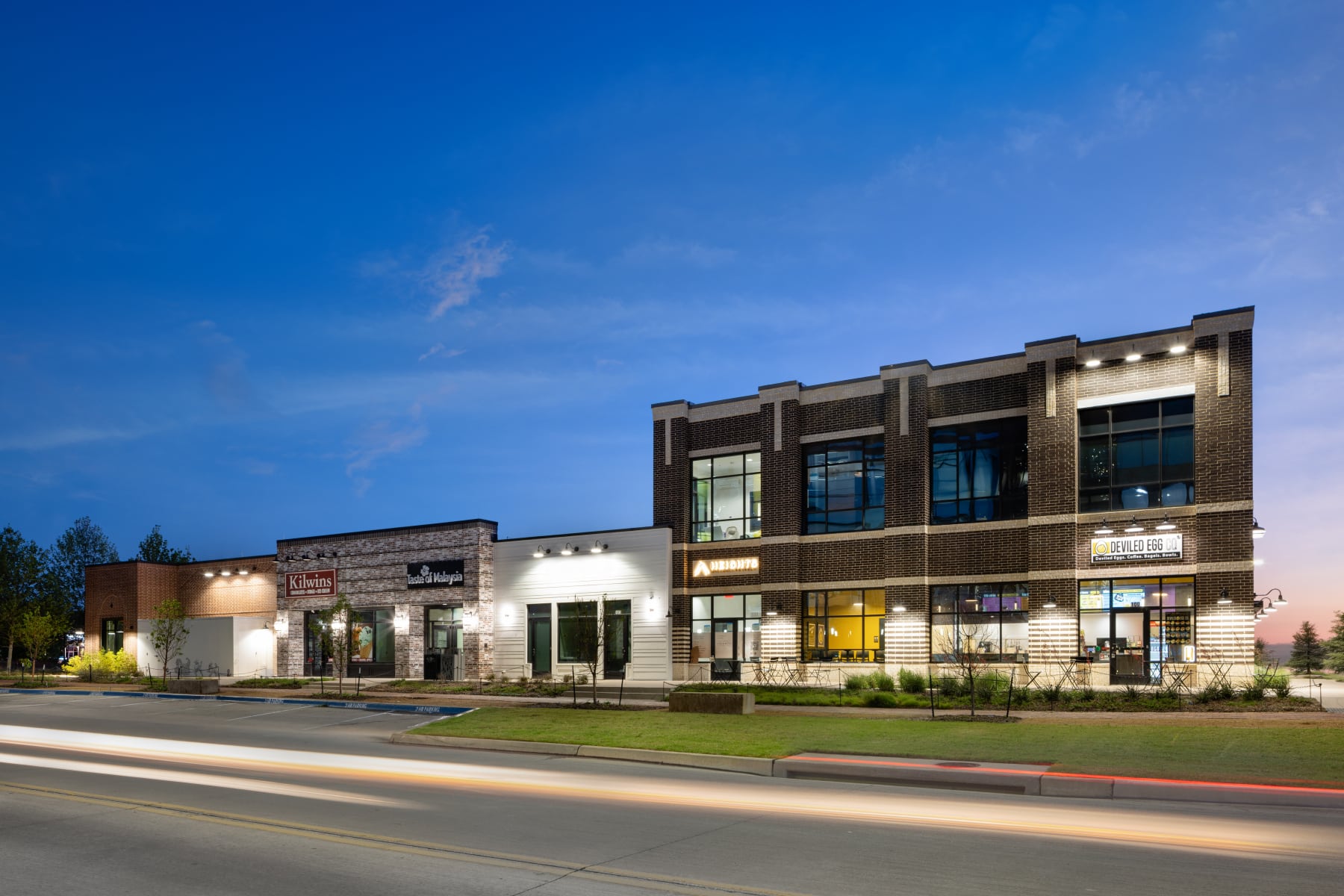
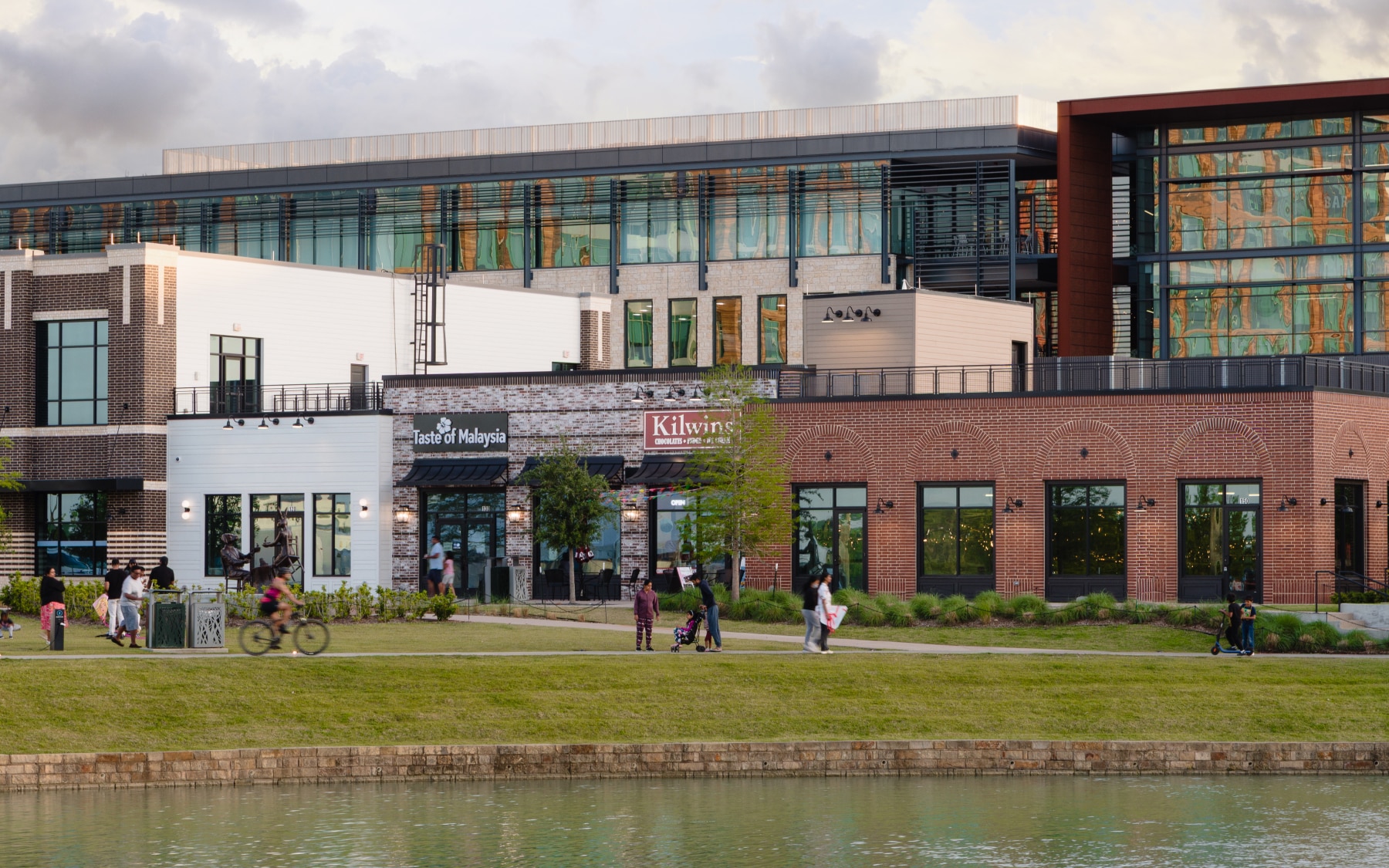
The Sound at Cypress Waters was developed as the central gathering place within Cypress Waters, a 1,000-acre mixed-use community built around a 362-acre lake. As office, residential, and commercial development accelerated throughout the district, Billingsley Company sought a destination that could serve employees, residents, and visitors while reinforcing the broader community’s identity. Over three phases, O’Brien Architects delivered approximately 65,000 square feet of dining, retail, office, and entertainment space organized around a lakefront public realm designed to support daily activity, events, and long-term growth.
Project Overview
Client: Billingsley Company
Location: Dallas, TX
Size:
~65,000 SF across three phases
1,000-acre Cypress Waters community
362-acre lakefront setting
Services:
Shell & Core Architecture
Interior Finish-Out
Tenant Coordination
Plaza & Public Space Design
Amphitheater & Performance Stage Design
Art Consultation
Branding
Signage & Wayfinding
Phased Delivery Method
Timeline:
Phase 1 & 2: 2019
Phase 3: November 2024
Opportunity
& Challenge
Cypress Waters was growing rapidly, with office tenants, residents, and regional visitors increasingly drawn to the district. While the development offered significant amenities and access, it lacked a central place for people to gather, dine, and engage with the community.
The challenge extended beyond leasing or tenant mix. The project needed to function simultaneously as a destination for office workers, residents, families, and event attendees while maintaining activity throughout the day, evening, and weekend. It also needed to be delivered in three phases over five years, with three different general contractors, without compromising design continuity or operational effectiveness.
The lakefront location presented both an opportunity and a responsibility. The development needed to capitalize on its setting while preserving views, circulation, and access to the water as defining elements of the experience.
O’Brien's Approach
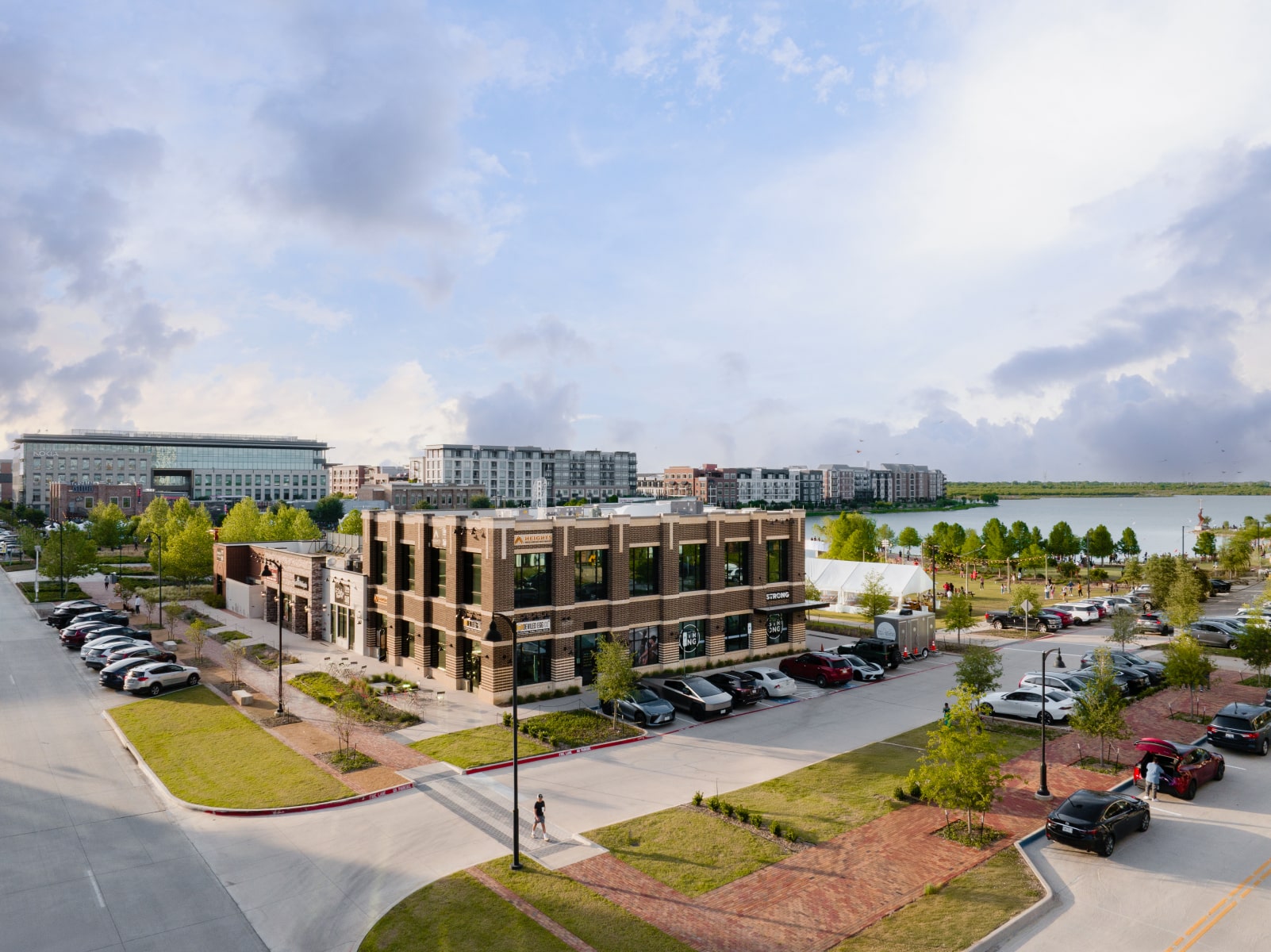
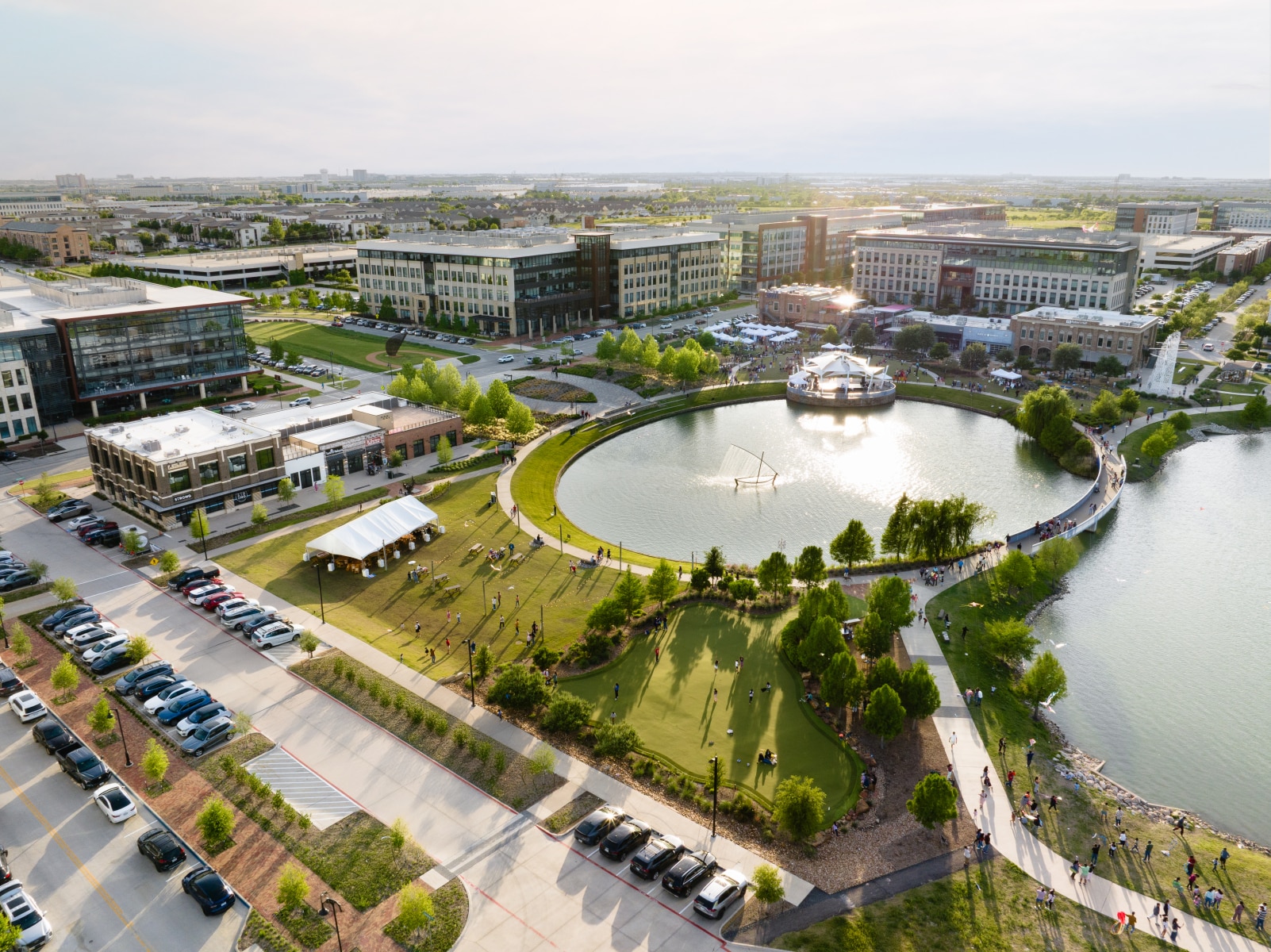
O’Brien approached The Sound by establishing the public realm as the organizing framework for the development. Rather than beginning with building footprints, the team first defined circulation patterns, gathering spaces, sightlines, and connections to North Lake. Buildings were then positioned to support and activate those spaces.
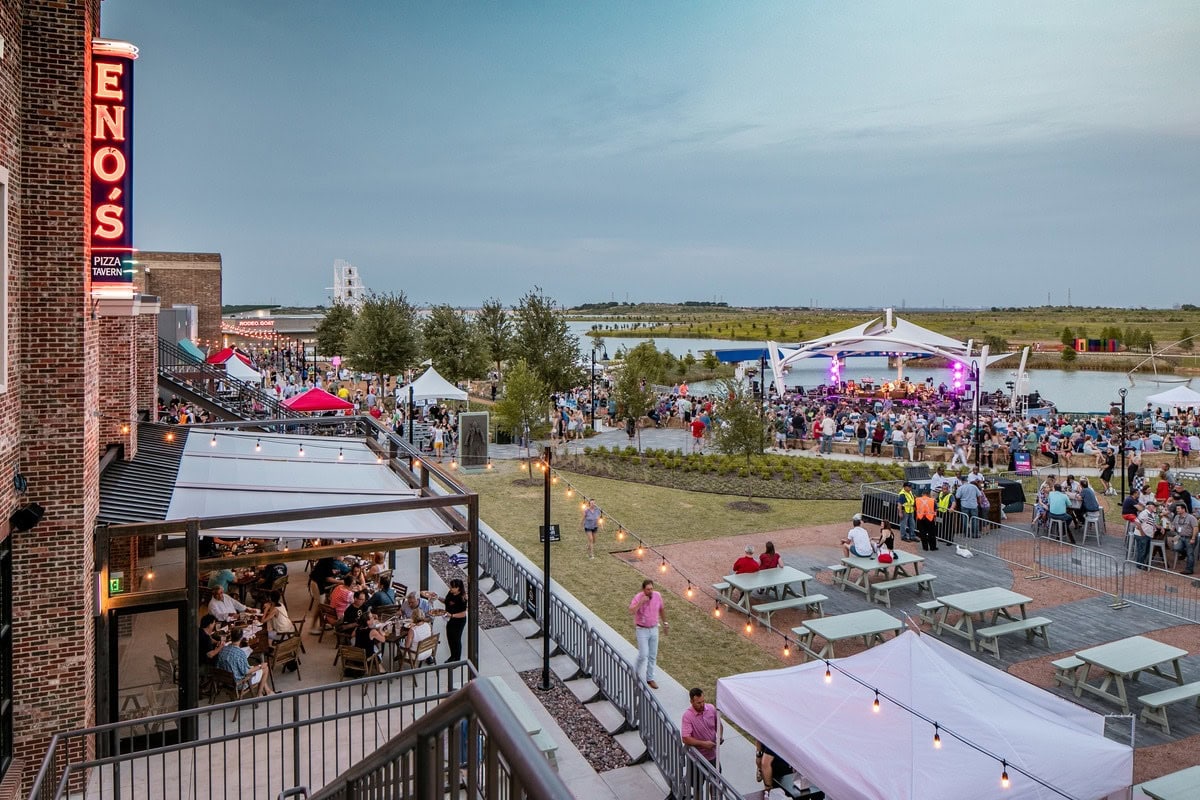
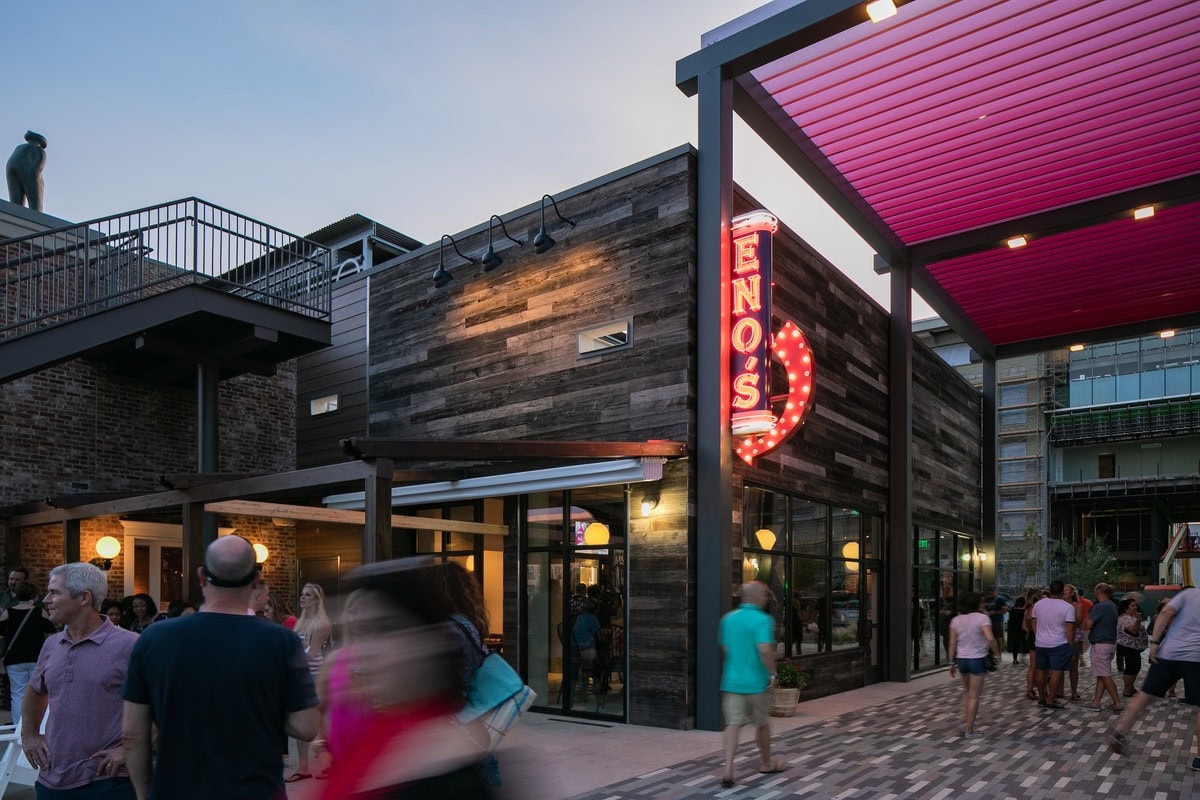
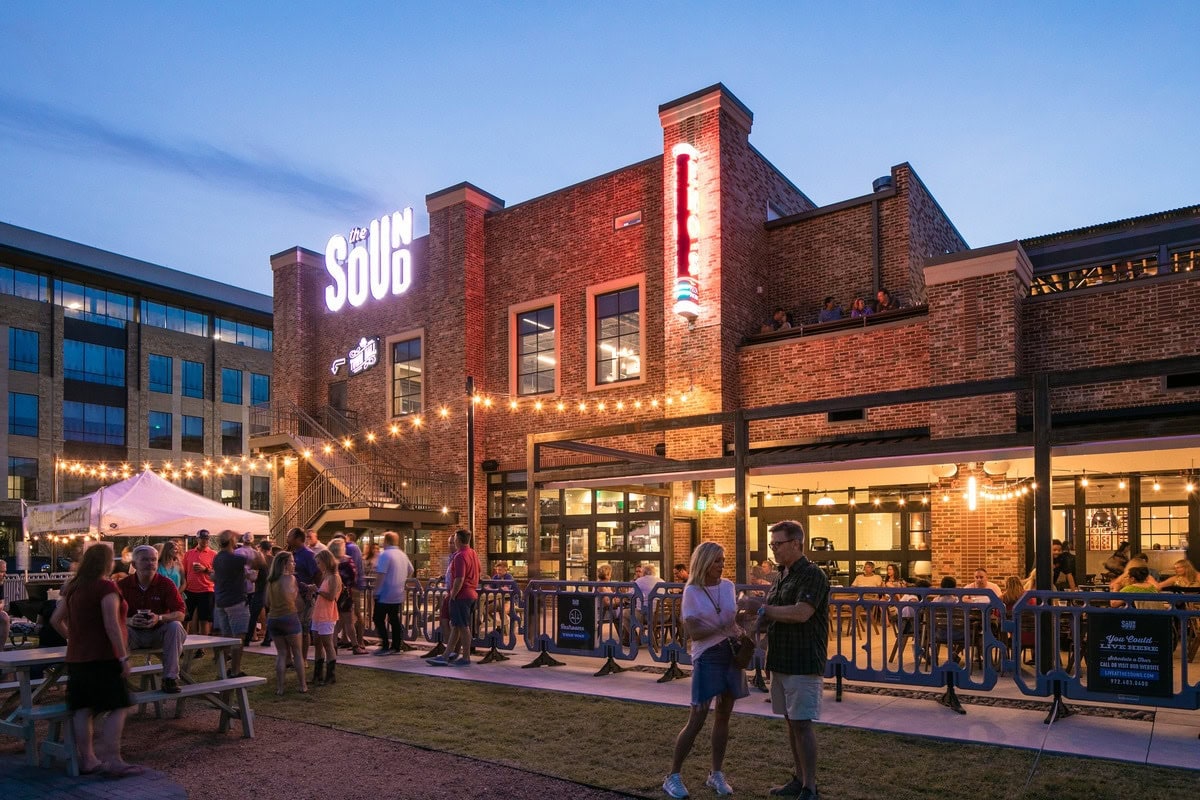
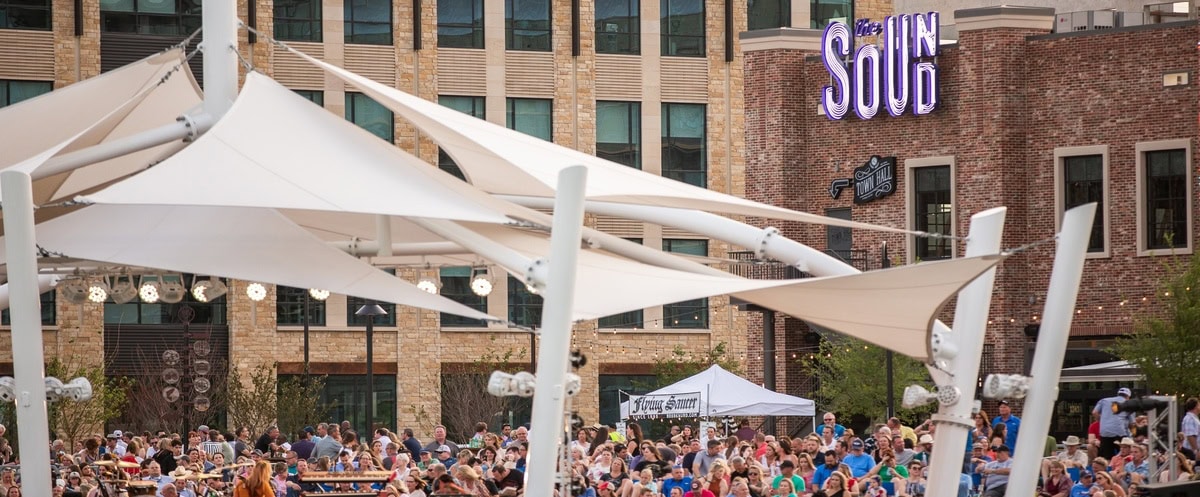
The master plan prioritized pedestrian movement, lakefront access, and flexible gathering areas capable of supporting both daily use and large-scale events. Dining patios, covered outdoor spaces, promenades, and public plazas were integrated throughout the development to strengthen the relationship between tenants and the public realm.
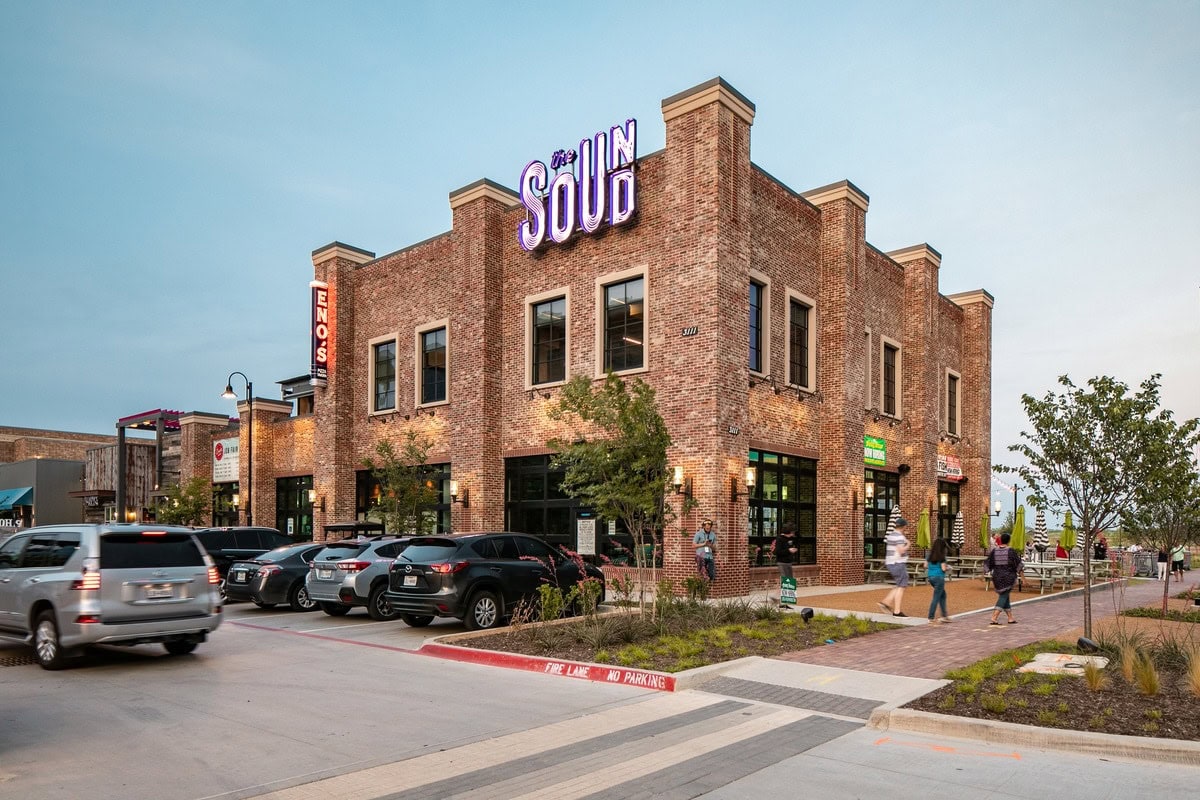
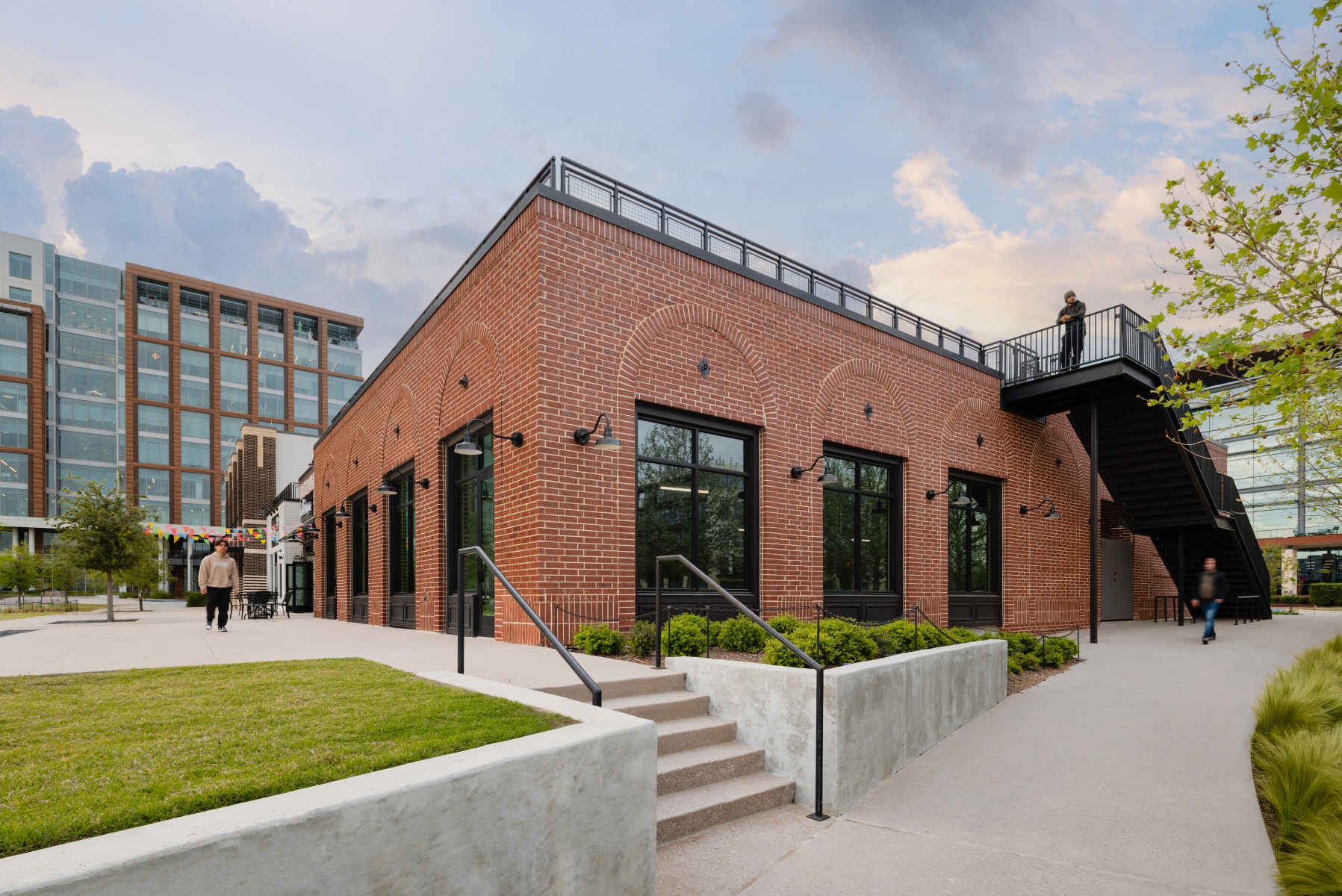
Across all three phases, O’Brien maintained a consistent architectural language that allowed the project to expand while preserving a cohesive identity. The design established clear view corridors to the lake, activated building edges, and incorporated outdoor dining, covered decks, rooftop programming, and event infrastructure as core components of the development strategy.
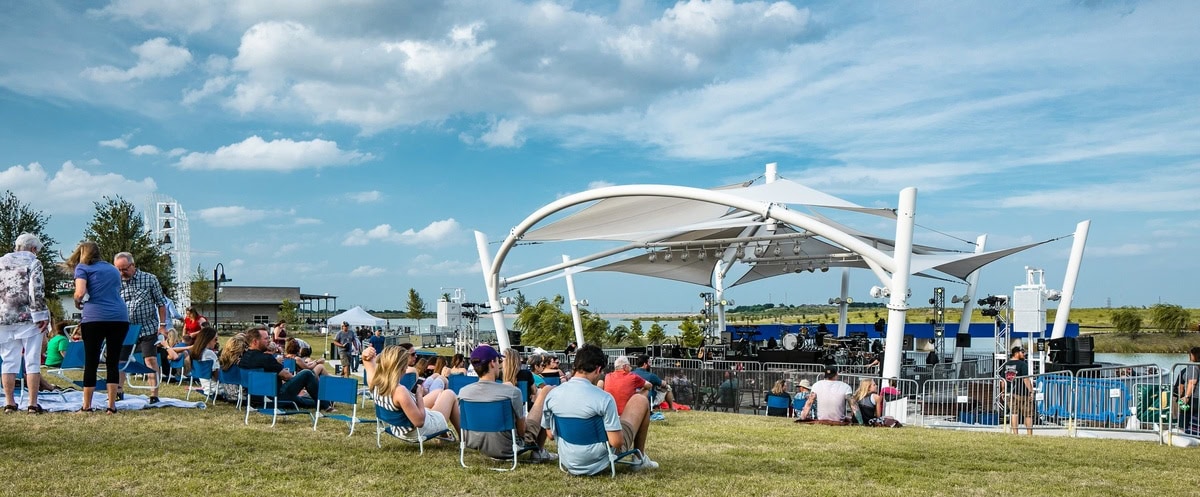
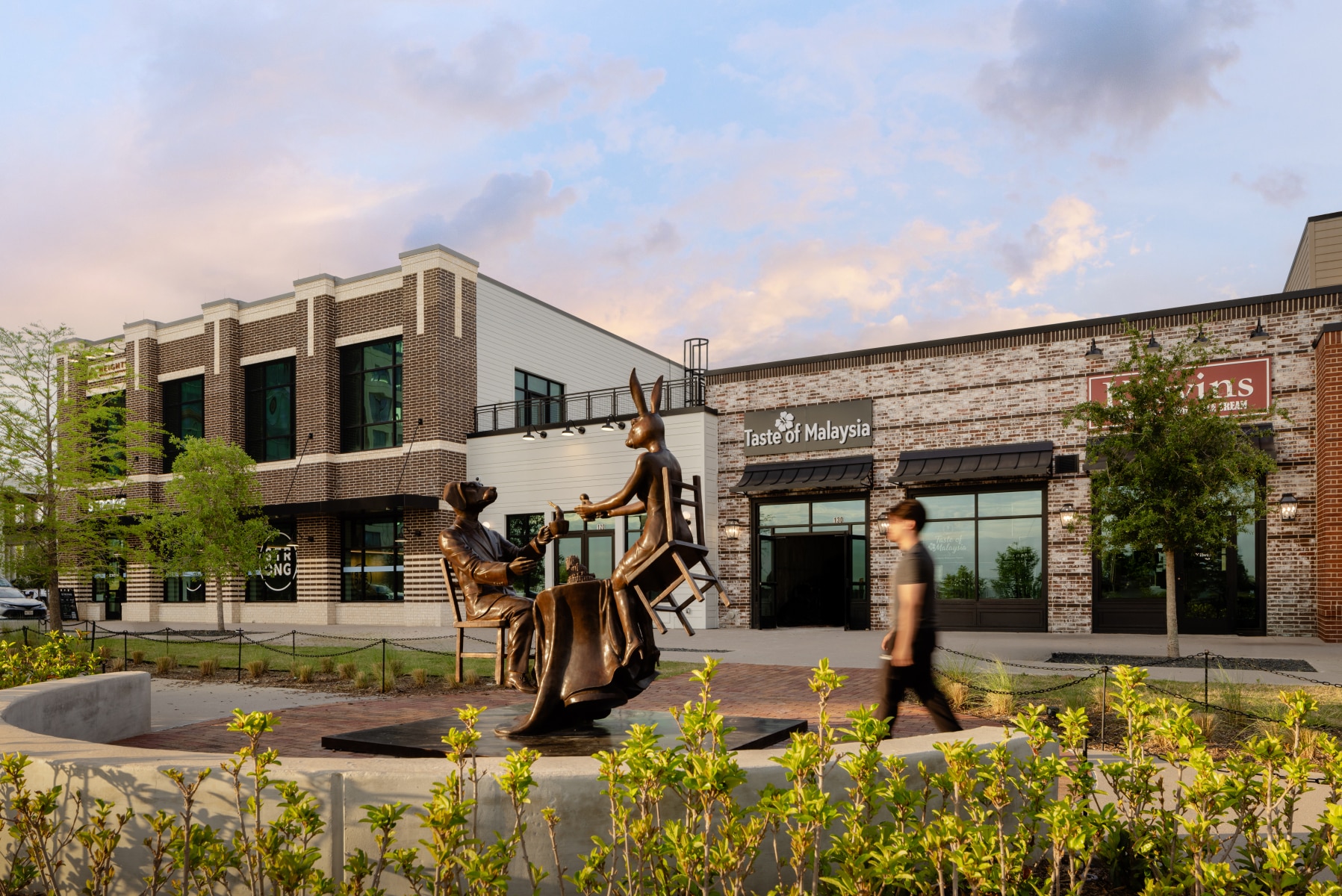
The amphitheater and performance stage were designed as permanent community infrastructure capable of supporting a range of programming, from small performances to large public events. Art, landscape, branding, and wayfinding were coordinated as part of a unified placemaking strategy rather than independent project elements.
Over five years of construction, O’Brien maintained design continuity among three contractors while coordinating tenant requirements, public-space activation, and ongoing operations in an active destination environment.
Results & Impact
The Sound has become a destination for both Cypress Waters and the broader Dallas-Fort Worth region. The development attracts more than 300,000 unique visitors annually and generates more than 728,000 visits.
The amphitheater, event lawn, and public spaces support more than 260 events annually, including concerts, festivals, markets, community gatherings, and seasonal programming. Restaurants throughout the development report approximately 20% annual growth, with several tenants ranking among the strongest-performing locations within their respective brands.
The project has continued to expand successfully through three phases. Phase 3 added 22,779 square feet of new space, including rooftop programming, while maintaining the character and operational success established in earlier phases.
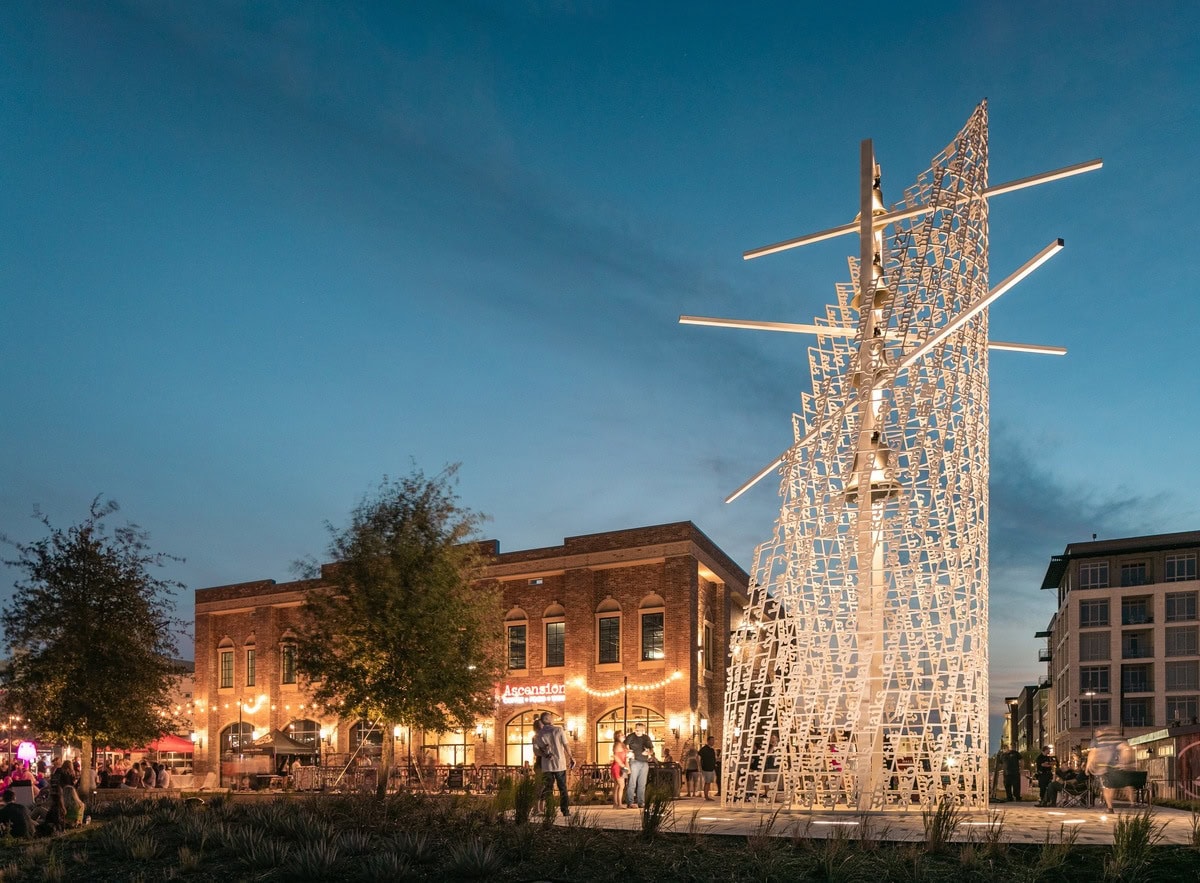
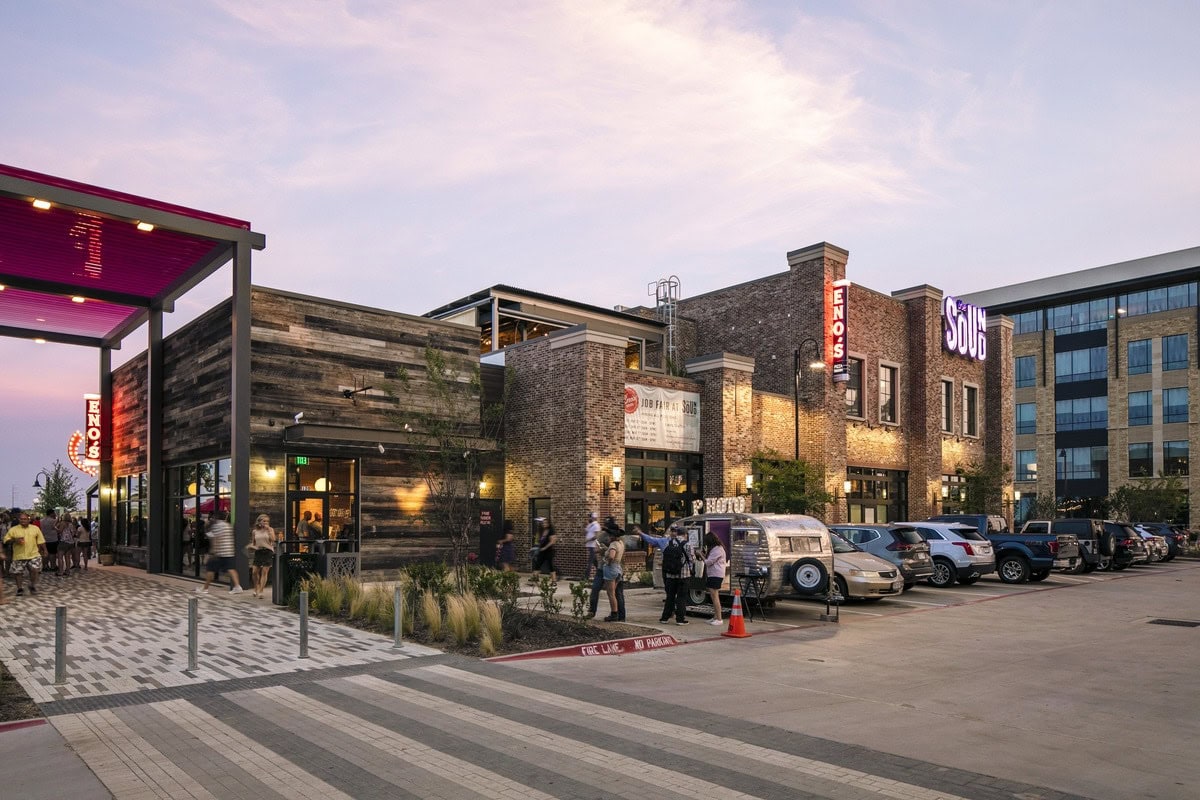
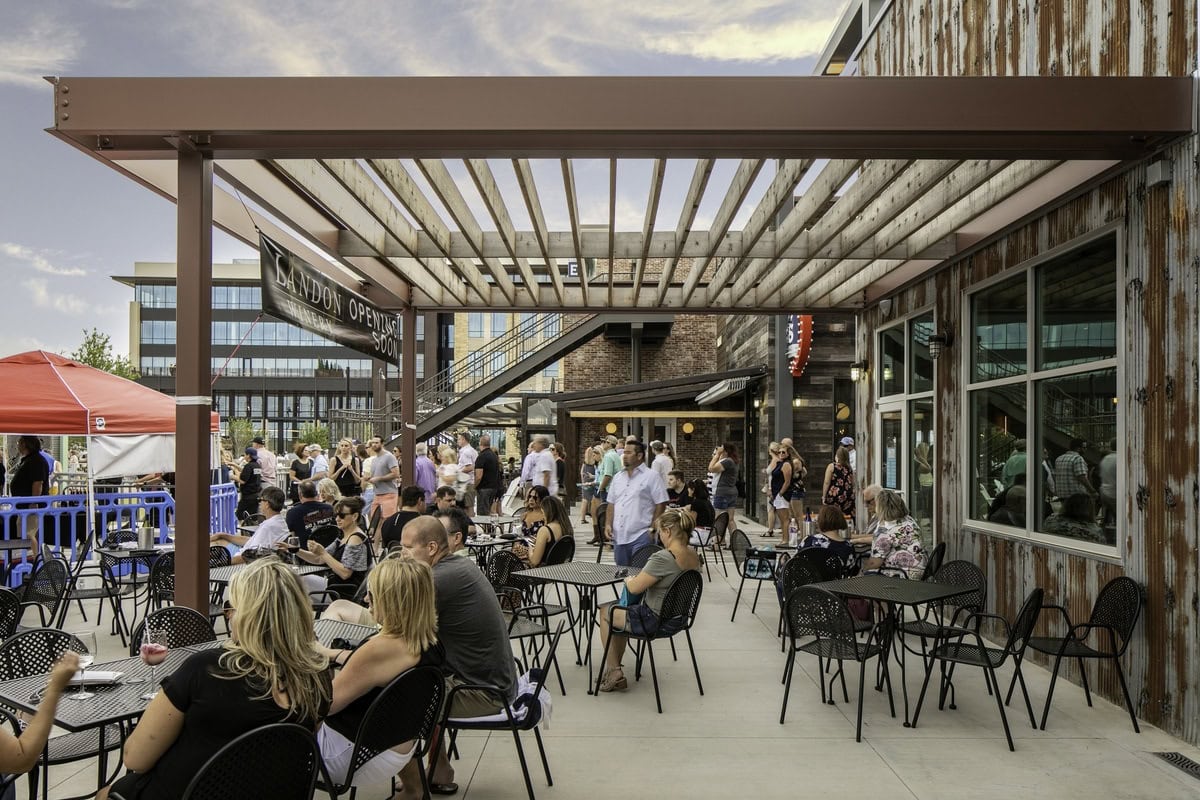
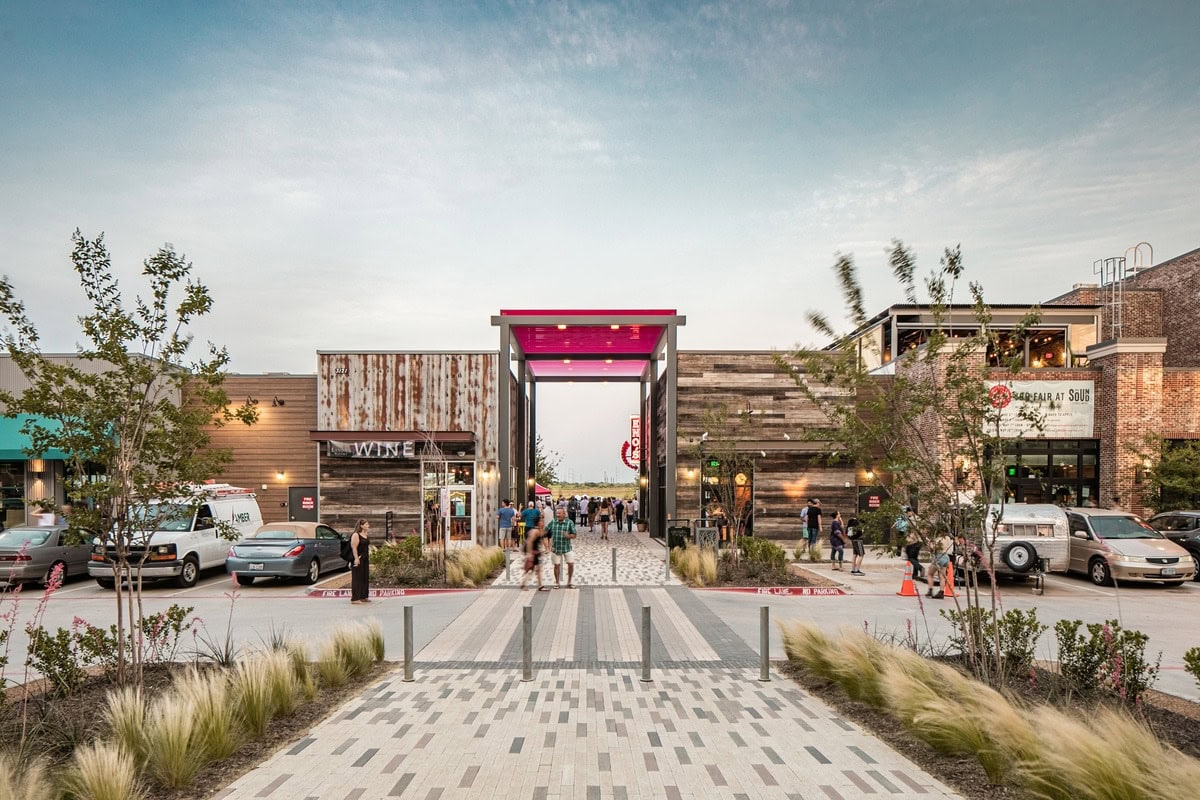
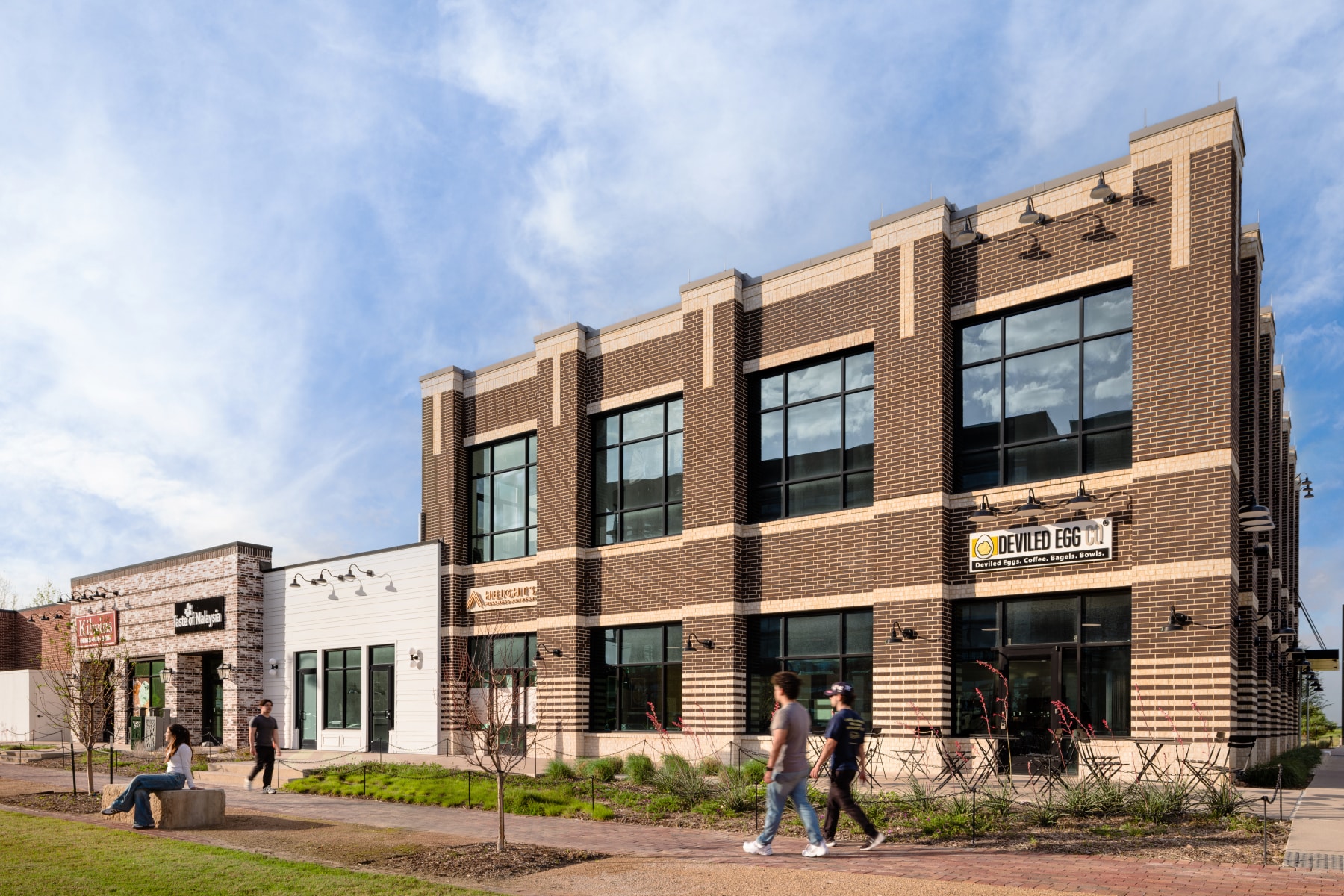
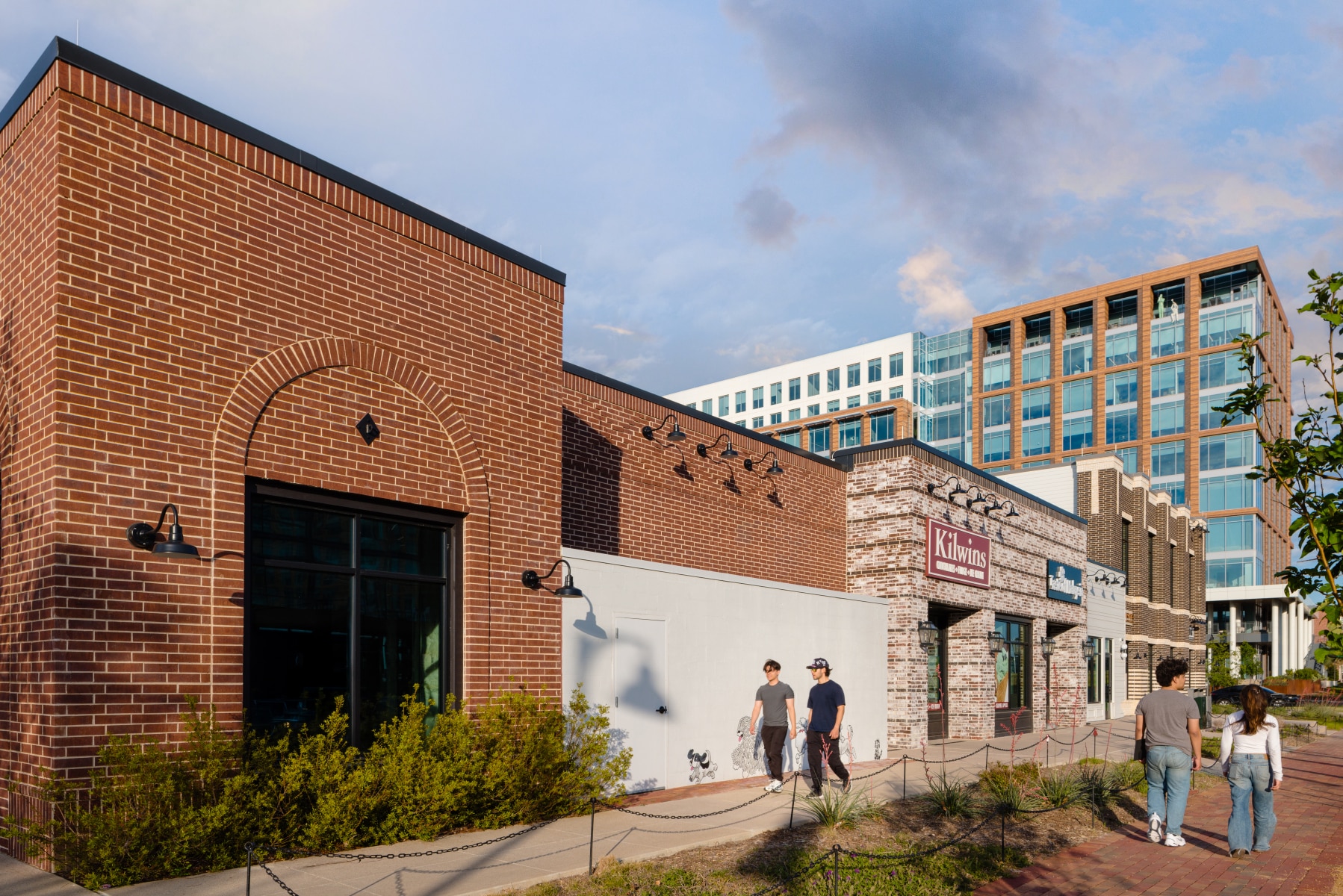
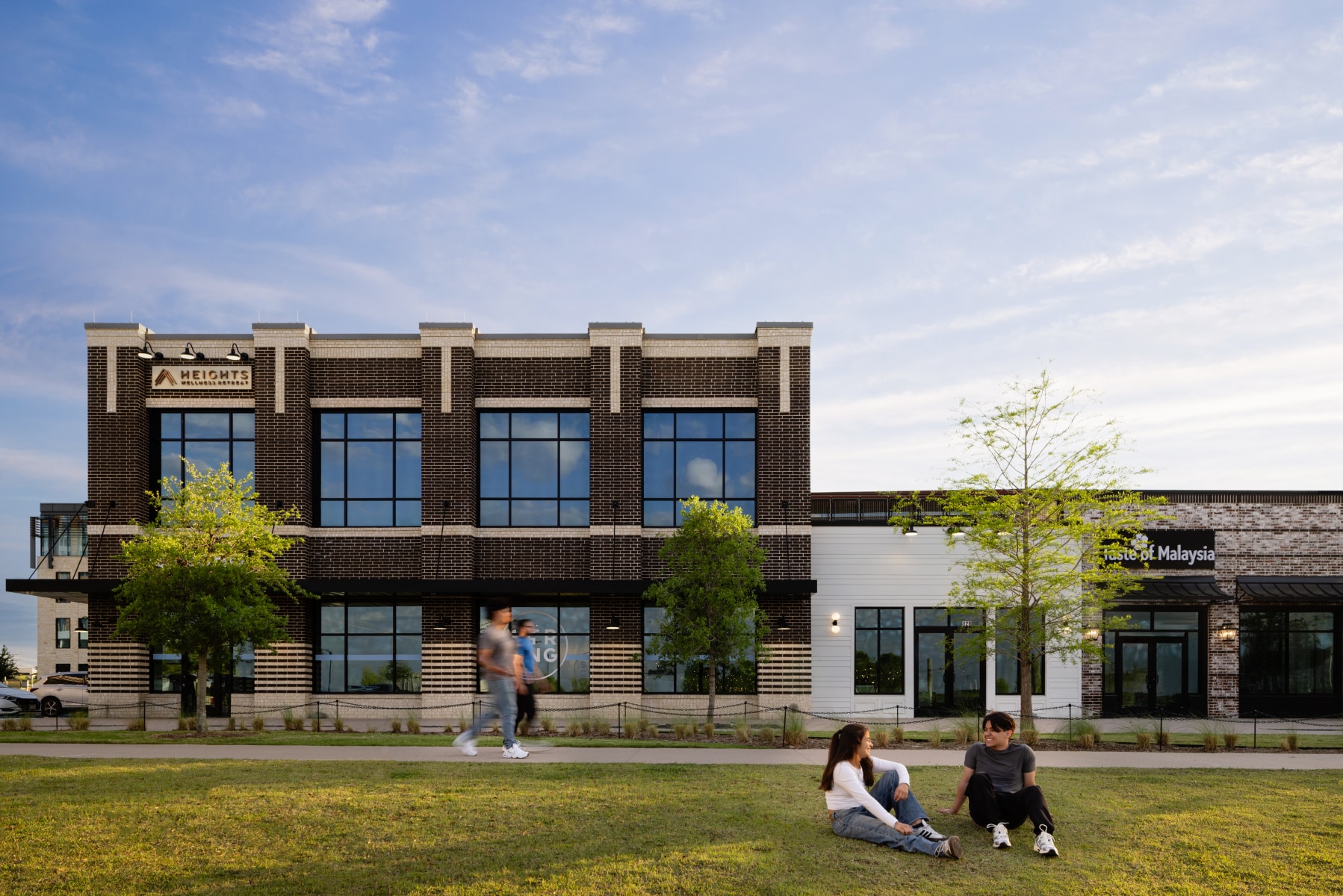
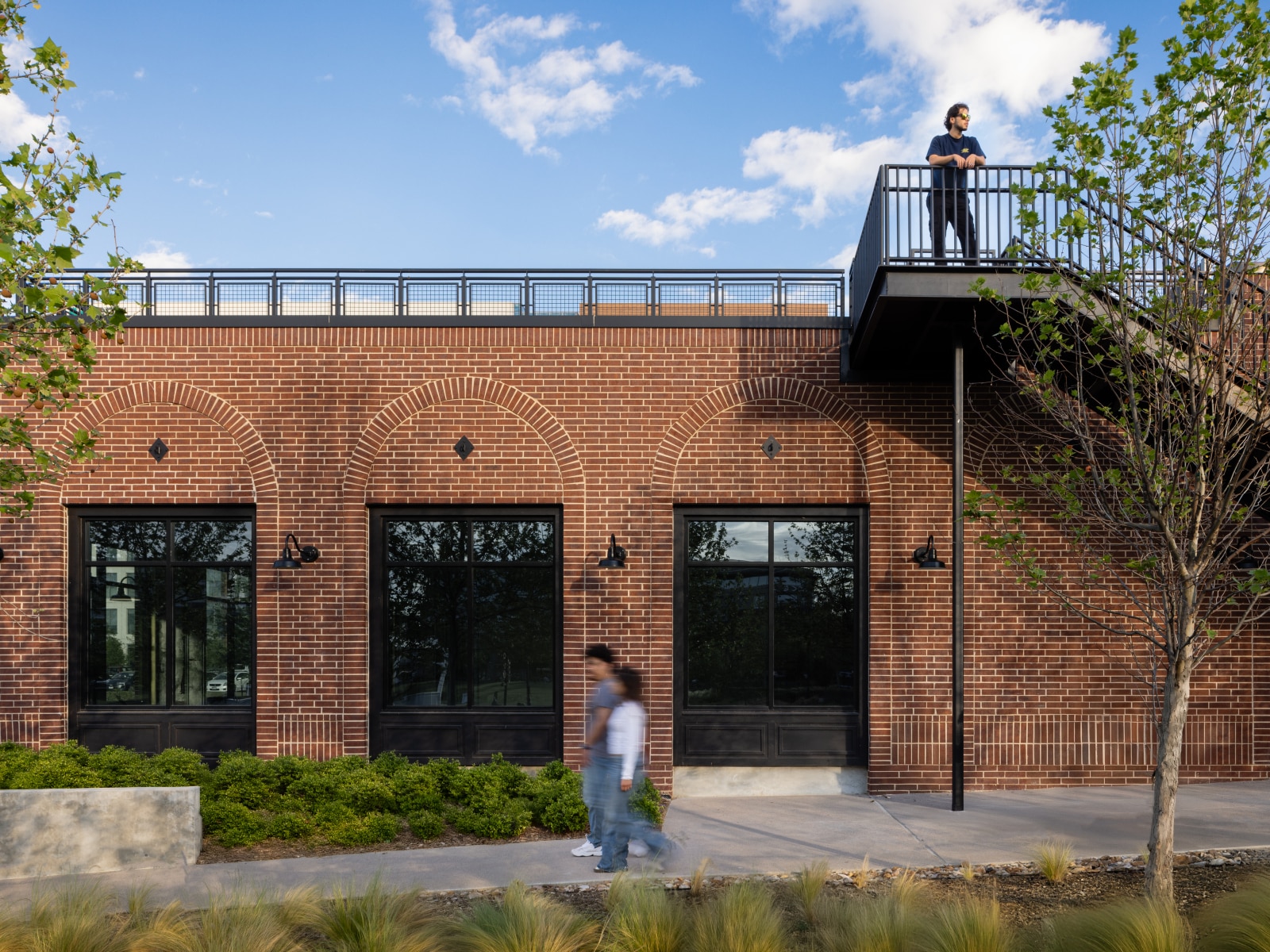
The Sound at Cypress Waters was developed as the central gathering place within Cypress Waters, a 1,000-acre mixed-use community built around a 362-acre lake. As office, residential, and commercial development accelerated throughout the district, Billingsley Company sought a destination that could serve employees, residents, and visitors while reinforcing the broader community’s identity. Over three phases, O’Brien Architects delivered approximately 65,000 square feet of dining, retail, office, and entertainment space organized around a lakefront public realm designed to support daily activity, events, and long-term growth.
Project Overview
Client: Billingsley Company
Location: Dallas, TX
Size:
~65,000 SF across three phases
1,000-acre Cypress Waters community
362-acre lakefront setting
Services:
Shell & Core Architecture
Interior Finish-Out
Tenant Coordination
Plaza & Public Space Design
Amphitheater & Performance Stage Design
Art Consultation
Branding
Signage & Wayfinding
Phased Delivery Method
Timeline:
Phase 1 & 2: 2019
Phase 3: November 2024
Opportunity
& Challenge
Cypress Waters was growing rapidly, with office tenants, residents, and regional visitors increasingly drawn to the district. While the development offered significant amenities and access, it lacked a central place for people to gather, dine, and engage with the community.
The challenge extended beyond leasing or tenant mix. The project needed to function simultaneously as a destination for office workers, residents, families, and event attendees while maintaining activity throughout the day, evening, and weekend. It also needed to be delivered in three phases over five years, with three different general contractors, without compromising design continuity or operational effectiveness.
The lakefront location presented both an opportunity and a responsibility. The development needed to capitalize on its setting while preserving views, circulation, and access to the water as defining elements of the experience.
O’Brien's Approach
O’Brien approached The Sound by establishing the public realm as the organizing framework for the development. Rather than beginning with building footprints, the team first defined circulation patterns, gathering spaces, sightlines, and connections to North Lake. Buildings were then positioned to support and activate those spaces.
The master plan prioritized pedestrian movement, lakefront access, and flexible gathering areas capable of supporting both daily use and large-scale events. Dining patios, covered outdoor spaces, promenades, and public plazas were integrated throughout the development to strengthen the relationship between tenants and the public realm.
Across all three phases, O’Brien maintained a consistent architectural language that allowed the project to expand while preserving a cohesive identity. The design established clear view corridors to the lake, activated building edges, and incorporated outdoor dining, covered decks, rooftop programming, and event infrastructure as core components of the development strategy.
The amphitheater and performance stage were designed as permanent community infrastructure capable of supporting a range of programming, from small performances to large public events. Art, landscape, branding, and wayfinding were coordinated as part of a unified placemaking strategy rather than independent project elements.
Over five years of construction, O’Brien maintained design continuity among three contractors while coordinating tenant requirements, public-space activation, and ongoing operations in an active destination environment.
Results & Impact
The Sound has become a destination for both Cypress Waters and the broader Dallas-Fort Worth region. The development attracts more than 300,000 unique visitors annually and generates more than 728,000 visits.
The amphitheater, event lawn, and public spaces support more than 260 events annually, including concerts, festivals, markets, community gatherings, and seasonal programming. Restaurants throughout the development report approximately 20% annual growth, with several tenants ranking among the strongest-performing locations within their respective brands.
The project has continued to expand successfully through three phases. Phase 3 added 22,779 square feet of new space, including rooftop programming, while maintaining the character and operational success established in earlier phases.
Client Testimonials.
Charlotte Jones Anderson
Dallas Cowboys"O'Brien is about incredible architecture. They are an amazing team who works tirelessly, who burn the midnight oil. You talk about people with passion, they are a passionate team. O'Brien has lead us on an epic path of greatness. We are excited to continue with our partnership with Sean and his team."
Greg Gordon
Gordon Highlander"What the team gets right, time and again, is something that cannot be manufactured: a passionate, genuine pursuit of excellence through service. That client-first orientation, sustained at the highest level, is extraordinarily difficult to maintain in this industry. I have profound respect for Sean O'Brien and what he and his team have built, and continue to build, for the clients who trust them."
Shawn Fulham
Lincoln Property Company"O'Brien has been a truly invaluable partner for Lincoln Property Company over the last 30 years. They have a comprehensive understanding of master planning, mixed use, and all the individual uses and components that make complex projects successful from both a design and financial standpoint. They have a long history of success, and always continue to stay on the cutting edge of design and development."
Kyle Nix
Pritchard Associates, Inc."I always enjoy working with the O’Brien team. They are very responsive and efficient, and work well with ownership to help keep projects on time and on budget."
John Griggs
Presidium Group, LLC"O’Brien, some of the most skilled in the country and truly design iconic structures. The team works hard and commits to every detail. You can expect them to drop everything, meet deadlines, work with the budget. They are just the best."
Josh Eames
Presidium Group, LLC"O’Brien is one of our most trusted partners. O’Brien team, Your efforts are always top notch and you nail every project out of the park. You are key partner for us."